
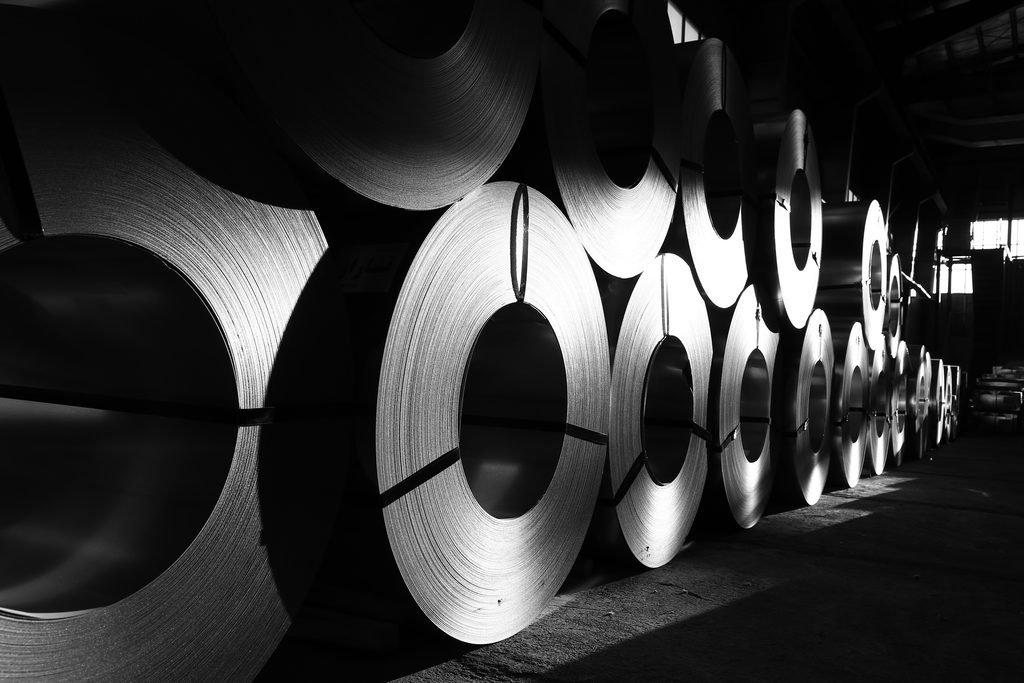
India’s Steel Industry Set for a Threefold Expansion by 2047
India is entering a transformative phase in its steel sector, with production, consumption, and raw material demand expected to grow significantly over the next two decades. As outlined in the National Steel Policy Vision 2047, the country aims to strengthen its position as a global steel powerhouse by expanding manufacturing capacity, supporting infrastructure development, and improving resource security.Crude steel production is projected to increase from 170 million tonnes (Mt) in FY2025 to 531 Mt by FY2047, while installed steelmaking capacity is expected to reach 604 Mt.
Strong Domestic Demand Driving Industry Expansion
India’s finished steel consumption is forecast to grow from 164 Mt in FY2025 to 505 Mt by FY2047, reflecting sustained demand from construction, transportation, energy, engineering, and manufacturing sectors. Per capita steel consumption is expected to rise from 116 kg to 302 kg, indicating a structural increase in steel intensity across the economy as income levels and infrastructure investments continue to advance.
Raw Material Demand to Accelerate Across the Value Chain
The planned expansion of steelmaking capacity will drive substantial growth in demand for key raw materials.
- Iron ore demand is expected to rise from 299 Mt to 772 Mt, emphasizing the need for continued mining investment and beneficiation capacity.
- Coking coal demand could increase from 72 Mt to 236 Mt, reinforcing India’s dependence on imported metallurgical coal and the importance of supply diversification.
- Demand for non-coking coal used in DRI production is projected to grow from 68 Mt to 167 Mt, reflecting the increasing role of the DRI-EAF steelmaking route.
- Manganese ore demand may more than triple to 34 Mt, supported by higher alloy steel production.
- Combined demand for limestone and dolomite is expected to reach 128 Mt by FY2047, driven by their critical role in blast furnace and steel refining processes.
DRI and Scrap to Play a Larger Role in Future Steelmaking
India’s sponge iron (DRI) sector is expected to remain a critical pillar of steel production. DRI demand is projected to increase from 60 Mt in FY2025 to 143 Mt in FY2047, supported by capacity additions in electric arc furnaces and low-emission steelmaking technologies.
At the same time, steel scrap usage is expected to grow significantly from 36 Mt to 123 Mt. A key structural shift is the increasing availability of domestic scrap:
- Domestic scrap generation rises from 28 Mt to 111 Mt
- Share of domestic scrap in total supply increases from 78% to over 90%
- Reliance on scrap imports falls from 22% to below 10%
This trend could improve raw material security, reduce import dependence, and support circular economy objectives within the steel sector.
Key Industry Implications
India’s steel sector is expected to experience transformative growth through 2047, creating significant opportunities across mining, raw materials, logistics, steelmaking, and recycling. While the demand outlook remains highly positive, achieving these targets will depend on parallel investments in iron ore production, coking coal sourcing, scrap collection systems, transportation infrastructure, and low-carbon steel technologies.
The projected expansion not only reflects the increasing importance of steel in India’s development journey but also signals the scale of investment and resource planning required to support a globally competitive steel industry over the coming decades.
Source: Ministry of Steel, Government of India, National Steel Policy Vision 2047 (Draft).